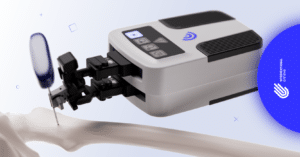
16 years, 16 cases from head to toe

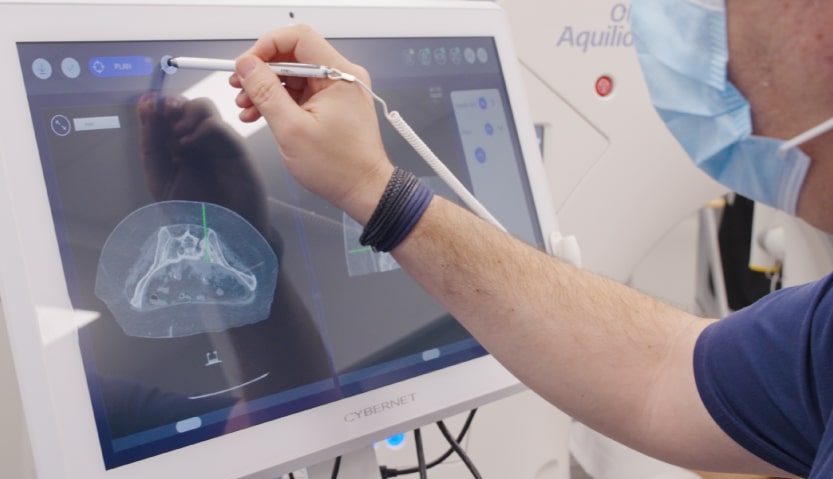
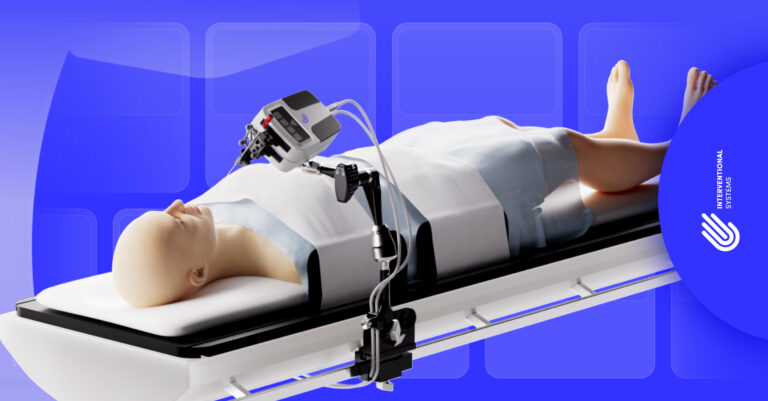
July 2026 marks sixteen years since Interventional Systems was founded with an ambitious goal: that the precision of robotics should be accessible to every patient, in every hospital. Last year we looked back at milestones; this time, we’ll let the cases speak.

From oncology to pain management, from the interventional suite to the operating room, here’s what our robotic platform looks like in practice. Sixteen cases of value-based robotics in action.

Biopsies

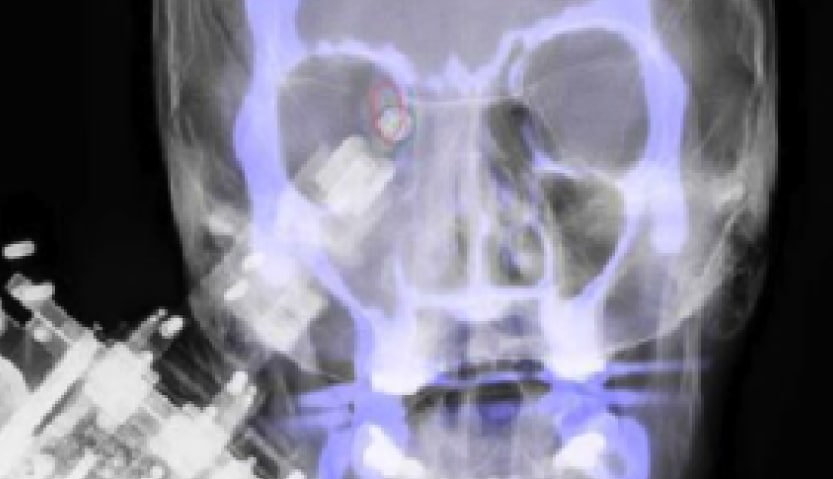
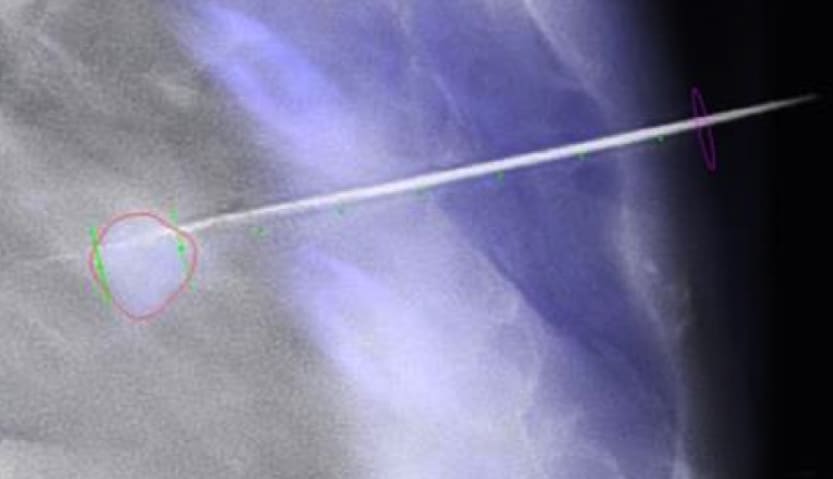
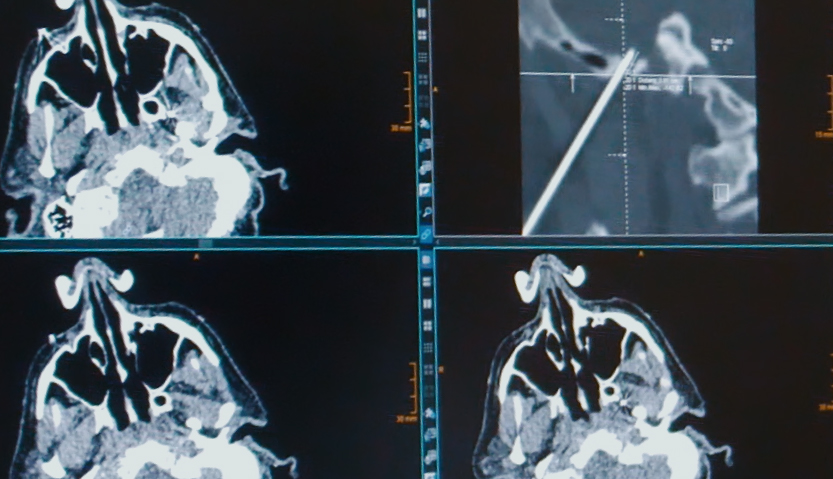
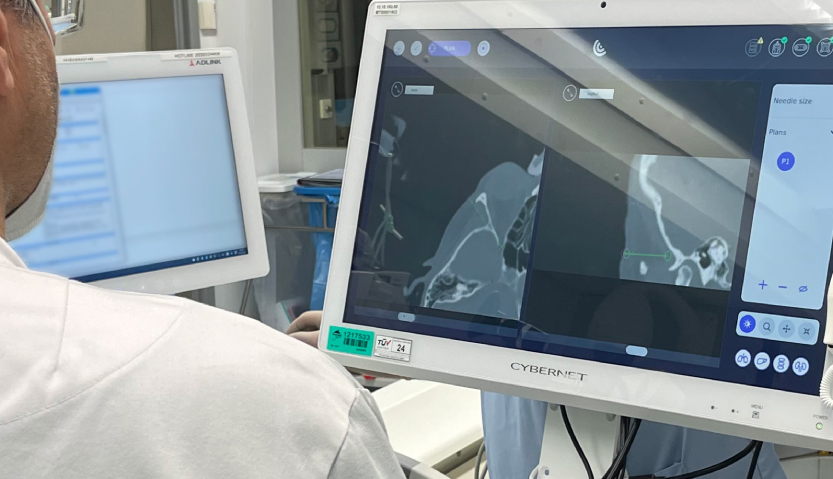
Tissue sampling is where many diagnostic journeys begin, and accurate needle placement is everything. Some targets are more demanding than others. The orbit, for instance, requires millimetric precision in immediate proximity to the optic nerve and critical vascular structures. This orbital mass biopsy illustrates what robotic guidance makes possible at those limits. 

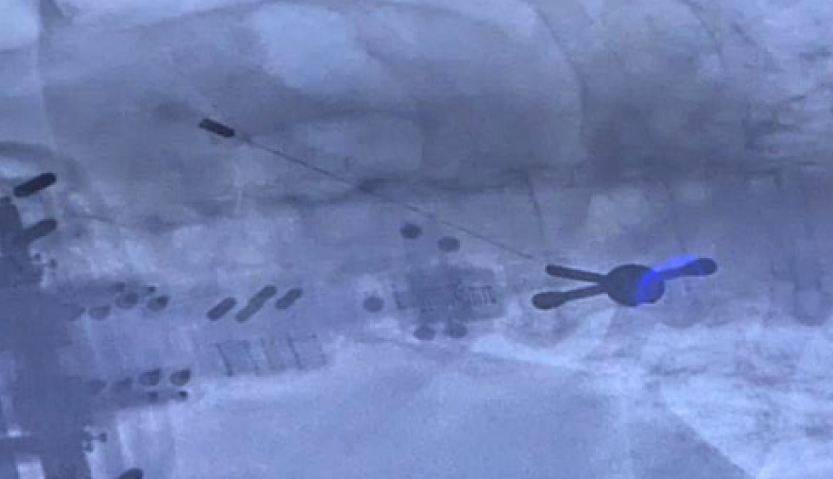
Respiratory motion and pneumothorax risk make lung biopsies inherently demanding. Robotic assistance enables precise, confident needle trajectories in challenging pulmonary targets that would be far harder to achieve freehand.  

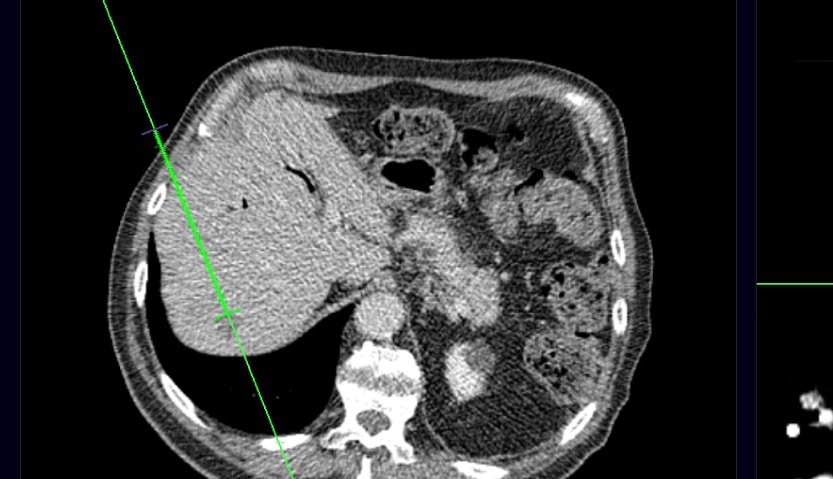
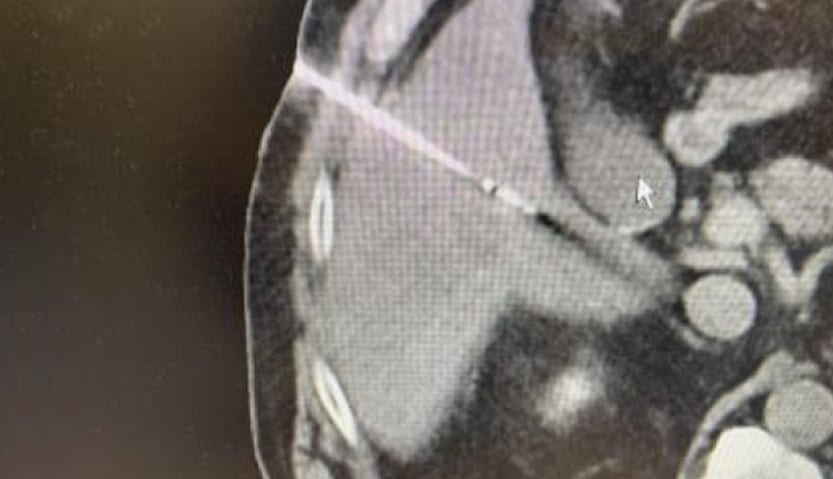
The abdomen brings its own challenges. In this case, it’s a patient who captures them best. Carlos Tavares’s robotic-assisted liver biopsy was the starting point of his diagnostic journey, and his story is a reminder of what accuracy means not just technically, but for the person on the table.

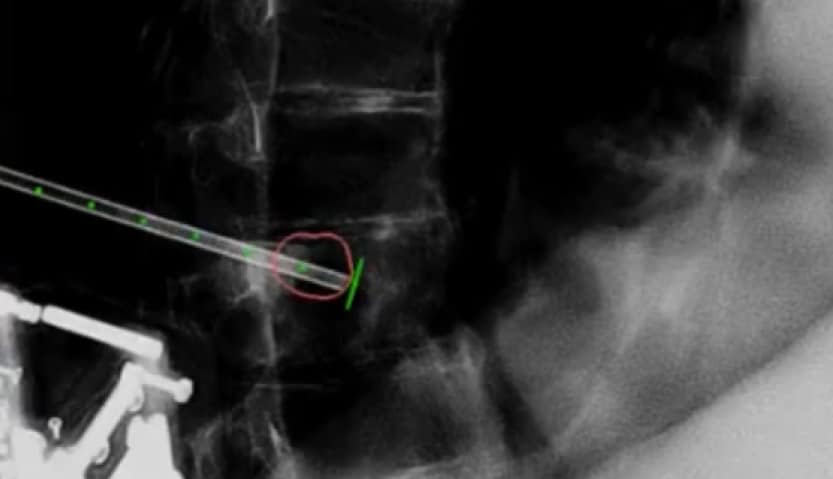
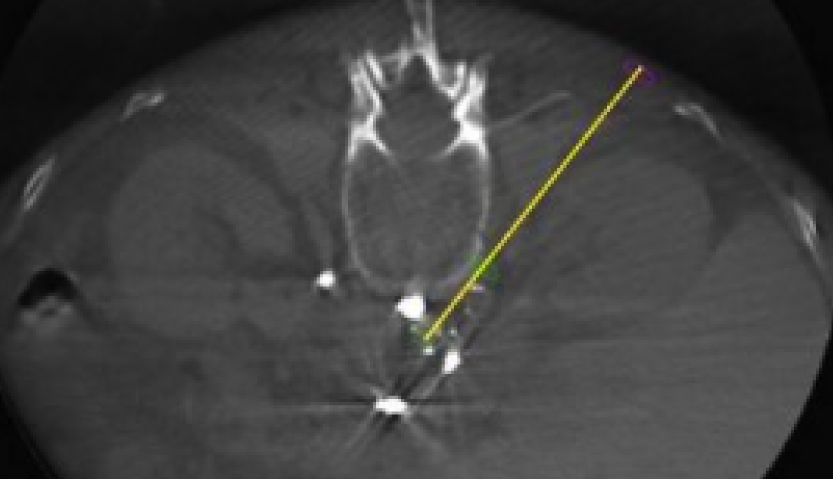
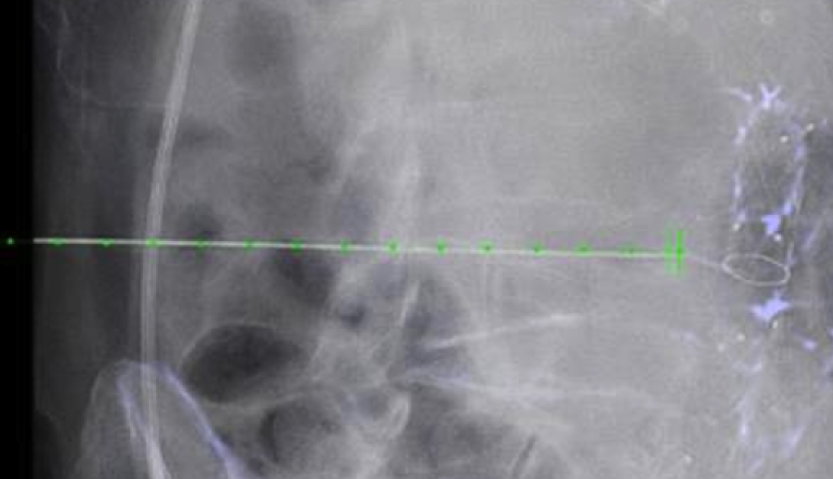
Posterior spinal anatomy offers a narrow safe corridor that leaves little room for deviation, and this T9 vertebral biopsy shows Micromate™ navigating exactly that challenge. In the pelvis, the presacral space presents its own complexity. This presacral area biopsy is a further example of robotic guidance reaching targets where freehand approaches are particularly challenging. 

Orbital Mass Biopsy

Lung Biopsy

Liver Biopsy

T9 Vertebral Biopsy

Presacral Area Biopsy

Ablations

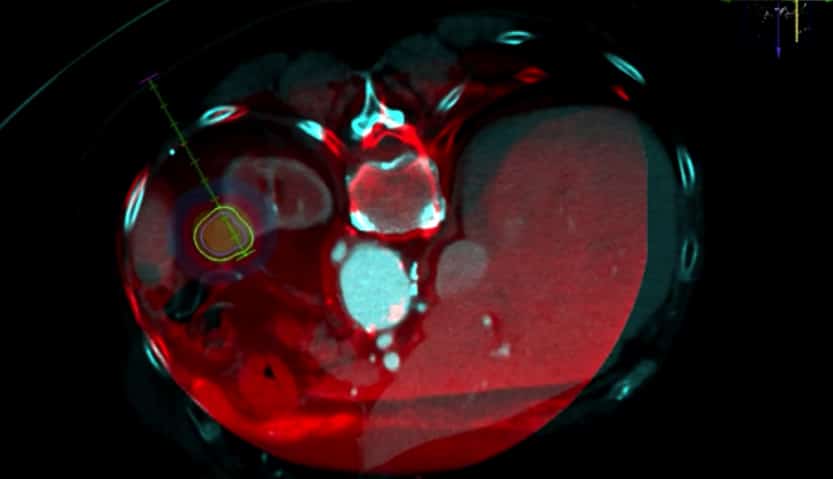
Accurate probe or electrode placement determines whether an ablation is effective and whether surrounding structures are protected. In oncology, Micromate™-assisted cases span different organs and ablation techniques: a microwave ablation of the liver, where precise probe placement is complemented by proper arm positioning using the IFIX armrest to ensure unimpeded surgical access and stable intra-operative imaging; a cryoablation of a kidney tumor using multiple needles; and a cryoablation of an osteoid osteoma where needle stability in dense bony anatomy is critical.  

Irreversible electroporation adds another layer of complexity, as non-thermal ablation depends on the parallel placement of multiple electrodes. This IRE liver ablation shows how robotic guidance makes it achievable. 

Not every ablation targets a tumor. This robotic-assisted thermocoagulation of the Gasserian ganglion for trigeminal neuralgia is a case in point – a pain condition where submillimetric targeting is critical to improving outcomes. 

Liver Microwave Ablation

Kidney Cryoablation

Osteoid Osteoma Cryoablation

Liver IRE Ablation

Trigeminal Neuralgia Thermocoagulation

Other percutaneous procedures

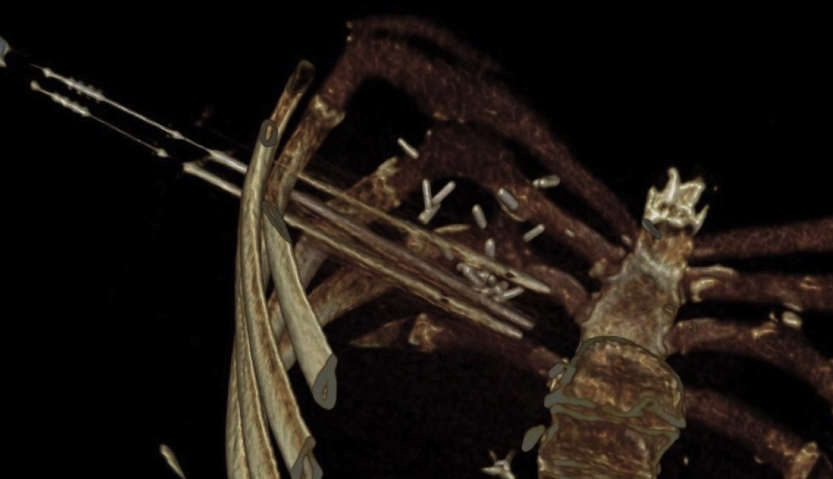
Biopsy and ablation may be the best-known applications of Micromate™, but the robot also supports a wider range of percutaneous procedures. Vertebroplasty is one example, where precise cement delivery into a confined vertebral space directly affects the outcome. A robotic-assisted puncture of the cisterna chyli for lymphatic leak closure required access to a small, deep lymphatic structure — a procedure that would be difficult to perform freehand. This percutaneous Type II endoleak embolization after EVAR follows the same principle, with robotic guidance supporting accurate targeting in small feeding vessels. The same applies to complex drainage after Whipple’s reconstruction, where altered post-surgical anatomy demands precise robotic access (see gallery).

Micromate™ has also been used for CT-guided targeted drug delivery, extending its application into image-guided pharmacological intervention. 

Vertebroplasty

Lymphatic Leak Closure

Type ll Endoleak Embolization

Drainage after Whipple Procedure

Targeted Drug Delivery

Beyond Interventional Radiology

Fifteen cases across interventional radiology tell one story. The sixteenth points beyond it. 

LARC Robotics, our spin-off dedicated to robotic-assisted endourology, applies the same miniaturization principles behind Micromate™ to a different surgical context. A percutaneous nephrolithotomy case demonstrates what that looks like in the endourology suite. 

The same is true in spine. Built on INS miniature robotic technology, both Valence and the Intelligent SpinePecker have launched commercially and are already in use in spinal surgery. 

Our collaboration with Shoulder Innovations (NYSE: SI) is extending robotic assistance into shoulder arthroplasty, aimed at the ambulatory surgery center environment. And our partnership with ProVoyance combines Micromate™ with FDA-cleared AI-powered surgical planning to address unmet needs in robotic navigation for OEM partners across specialties. 

Sixteen years. Sixteen cases. The mission hasn’t changed since 2010. What’s changed is how much we’ve learned, how many partners we’ve built alongside, and how many patients have benefited from robotic precision that was once out of reach. 

Here’s to the next sixteen!

More To Explore

Blog

16 years, 16 cases from head to toe

July 2026 marks sixteen years since Interventional Systems was founded with an ambitious goal: that the precision of robotics should be accessible to every patient, in every hospital. Last year we looked back at milestones and timelines; this time, we’ll let the cases speak.

Read More »