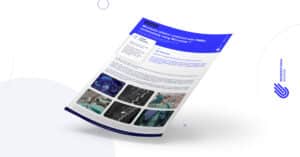



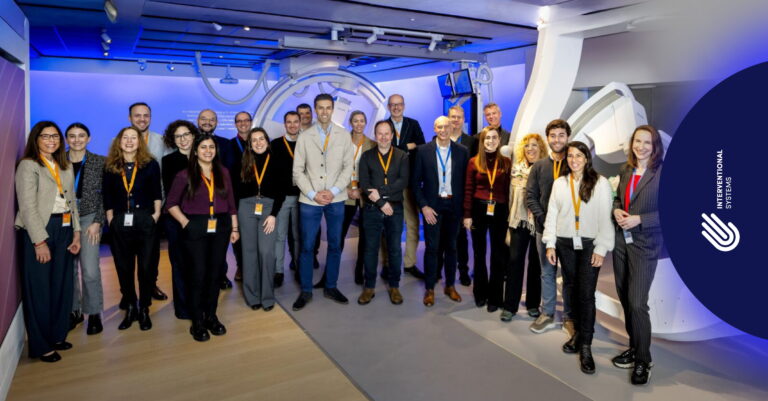
SHERPA (Smart Human-centred Effortless support for Professional clinical Applications) is a research and innovation project funded by the EU Innovative Health Initiative (IHI) from January 2025 to December 2028.
The project brings together 16 partners from seven EU countries to work on the development and implementation of AI-supported assistive technologies and robotics in interventional radiology, with a specific focus on interventional oncology and neurovascular procedures.
SHERPA aims to support clinicians with intelligent, human-centred digital tools across the entire clinical workflow – from pre-procedural planning to intraprocedural guidance and post-procedural documentation. The overall goal is to improve patient outcomes, increase procedural efficiency, and promote the safe and ethical integration of AI in clinical decision-making.
Visit the official SHERPA project website for further details about the project, partners, and updates.
Role of Interventional Systems in the project
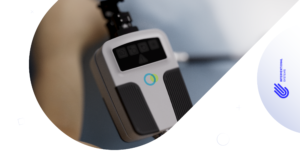
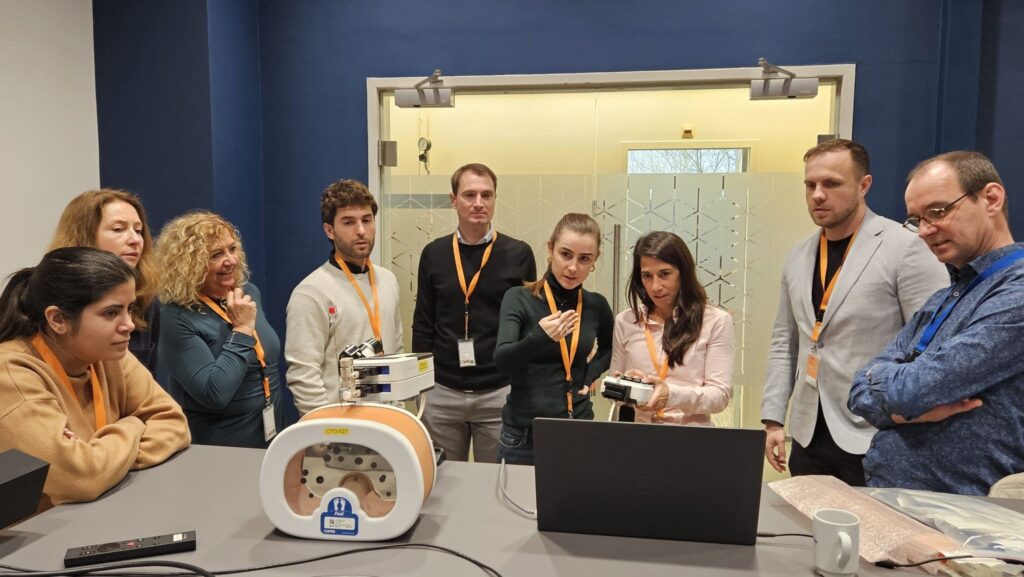
Interventional Systems leads Work Package 3, focusing on advancing robotic and imaging technologies for image-guided percutaneous tumour ablations using CBCT. Our role centers on developing a new generation of portable, wireless robotic systems with autonomous needle steering, designed to integrate seamlessly into CBCT workflows. We’re also responsible for validating these innovations through lab testing and clinical collaboration, ensuring they meet safety, usability, and performance standards. By enhancing precision, workflow efficiency, and patient communication, our contributions aim to demonstrate the clear clinical and operational advantages of robotic-assisted, CBCT-guided interventions over current standard practices.
Funded by the European Union. Views and opinions expressed are however those of the author(s) only and do not necessarily reflect those of the European Union or Innovative Health Initiative Joint Undertaking. Neither the European Union nor the granting authority can be held responsible for them. The project is supported by the Innovative Health Initiative and its members